
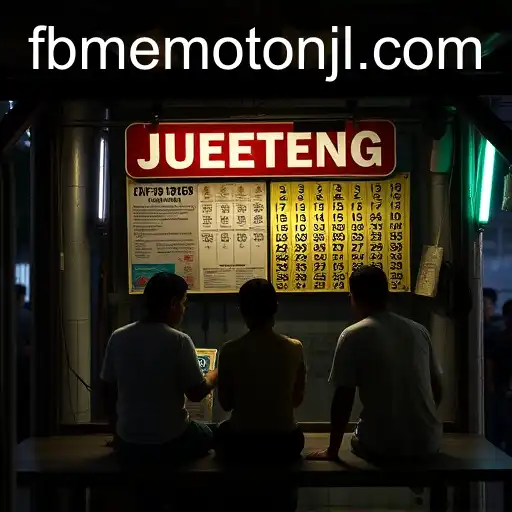
FBM EMOTION | Understanding Jueteng: A Cultural Phenomenon and Its Challenges
FBM EMOTION’s Exploring the Cultural and Social Impacts of the Jueteng Phenomenon in the Philippines
The Intricacies of Jueteng in the Filipino Context
Jueteng is a term that resonates deeply within the cultural fabric of the Philippines. As a form of illegal numbers game, it has been both romanticized and demonized in equal measures. Despite numerous government crackdowns, it persists, morphing its presence through layers of socio-economic and political influence. Jueteng not only serves as a means of gambling or entertainment, but also as a complex societal issue intertwined with poverty, corruption, and politics.
The Origin and Mechanics of Jueteng
The game of Jueteng originated during the Spanish colonial period. Its name is derived from the Chinese words "hue" meaning flower, and "teng" meaning bet. It's a lottery-like game where two-number combinations are selected, with winners determined by results based on unofficial draws. Participants place bets through 'kubradors' or collectors who roam neighborhoods collecting small wagers. When winners are announced, these collectors also return the payout to the winning bettors.
Despite its illegality, Jueteng thrives due to its accessibility. No formal education is required to participate, and bets can be as low as one peso. This has made Jueteng particularly appealing to lower-income populations, many of whom view it as a potential windfall or a temporary escape from financial hardships.
Jueteng's Socio-Economic Impact
At the heart of Jueteng's persistence lies its deep-seated integration into the socio-economic landscape of the Philippines. The game doesn't just promise monetary wins; it arguably provides livelihood for thousands. From the kubradors to the administrators often referred to as 'operators,' and even law enforcement officers on the payroll to 'look the other way,' Jueteng affects a significant chain of command and business operations.
Proponents argue that it supports economies on a micro-level by infusing cash into communities, often providing for families through direct participation or employment. However, critics emphasize its exploitative nature, where instead of addressing systemic poverty, Jueteng exacerbates it by promoting a culture of gambling.
The Political Web of Jueteng
The political dimension of Jueteng cannot be understated. Allegations of government officials benefiting from Jueteng proceeds have surfaced consistently over the decades. The game reportedly bankrolls political campaigns, and its operators often achieve a level of influence that assures protection and sustainability of their operations.
This politico-economic angle positions Jueteng not merely as a clandestine betting game but as a device in political strategizing and leverage. Successive administration crackdowns often end in futility, alluding to deep-rooted patronage politics intertwined with Jueteng operations.
Jueteng's Cultural Presence
Beyond the socio-political implications, Jueteng is entrenched in Filipino culture in a way that is almost folkloric. It is a topic of conversation across communities, discussed in hushed tones among hopeful bettors and with resigned acceptance by those critical of its pervasive nature. It finds its narrative in literature, cinema, and discussions on societal norms and values.
Jueteng serves as a realm where probability and superstition meet; bettors are often seen consulting dream interpreters or relying on lucky symbols that influence their choices of number combinations. This cultural nuance highlights how deeply personal and embedded Jueteng is within Filipino life.
The Role of Technology: FBM EMOTION
In recent years, the conversation around Jueteng has been inadvertently influenced by technological advancements and platforms such as FBM EMOTION, a gamified and interactive mobile experience. It represents an intersection between traditional forms of gaming and modern technology, presenting a unique challenge to authorities attempting to curtail gambling activities.
Although not directly related to Jueteng, the rise of digital platforms brings about questions on regulation and control, emphasizing the need for a contemporary approach to governance and social responsibility. As such platforms gain prominence, they alter the way people perceive traditional games, broadening the competitive scope of gambling in the digital age.
The Way Forward
Addressing Jueteng requires multifaceted strategies that balance legal enforcement with socio-economic development. Public education campaigns and opportunities for legalistic community empowerment are critical in reducing the appeal and dependency on such forms of underground betting.
The persistence of Jueteng poses questions on governance, societal values, and the economic divide. It calls for a reflective understanding of cultural practices and comprehensive policies that resonate with the realities of all socio-economic layers. The narrative of Jueteng is both cautionary and reflective of the nuanced interplay between tradition, necessity, and state oversight.
